
Incoming item · UX Research
What Star Wars got wrong about AI (so far)
Description
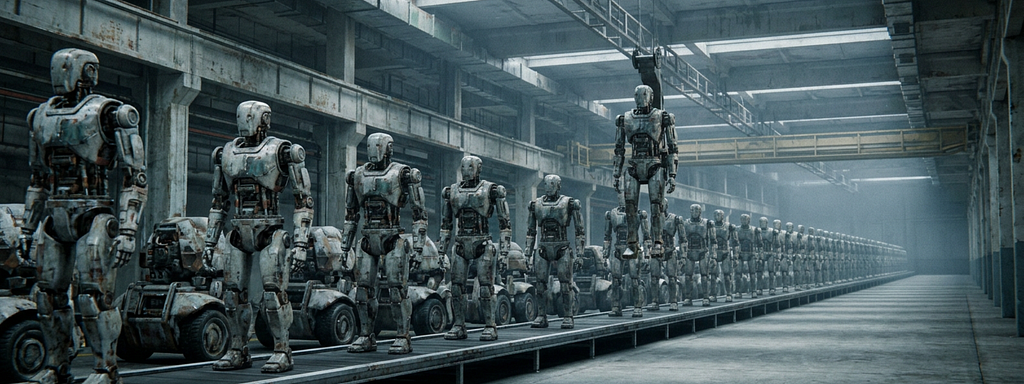
Two generations learned what a thinking machine looks like from a production line of individuals and the picture is not holding. AI assisted. The saga imagined thinking machines as immortal individuals in metal bodies. Real AI showed up as copyable software, and every difference is worth understanding. We grew up with the droids. R2-D2 beeping through a firefight, C-3PO fretting about the odds of survival, a whole galaxy quietly run by machines that think. Many of the androids from Star Wars are the most likable robots in film, and they are also the wrong picture of artificial intelligence. That matters more than it should, because for two generations the droids were most people’s first and clearest mental model of a thinking machine and mental models, once they take hold, change is hard. Science fiction rarely predicts the future, it records what a culture finds mysterious and goes from there. This is not a complaint about the movies, which are wonderful. It is a way to see current AI more clearly by naming what the fiction quietly assumed: that a mind is one soul in one body, that intelligence needs a body, that loyalty ships by default, and that you can wipe a machine clean. All of our thoughts around that need to change, and below is why. A droid is written as one irreplaceable self; a model is a file you can copy, fork, and roll back. The Copyable Mind R2-D2 and C-3PO are written as singular individuals, each with decades of continuous memory and very different personalities. They are also mass-manufactured, off-the-shelf models, and the story never notices the seam between those two facts. In our world that seam is the whole plot: A digital mind is a file, and you copy it, you fork it, you run a thousand instances at once, and you roll one back to the version it was yesterday. This is not a thought experiment. One open model, Meta’s Llama, has spawned more than 85,000 derivatives on Hugging Face , tens of thousands of forked and fine-tuned copies of a single r
Score breakdown
Total score: 55/100
- Matches an include keyword (+50)
- Description is available (+5)